
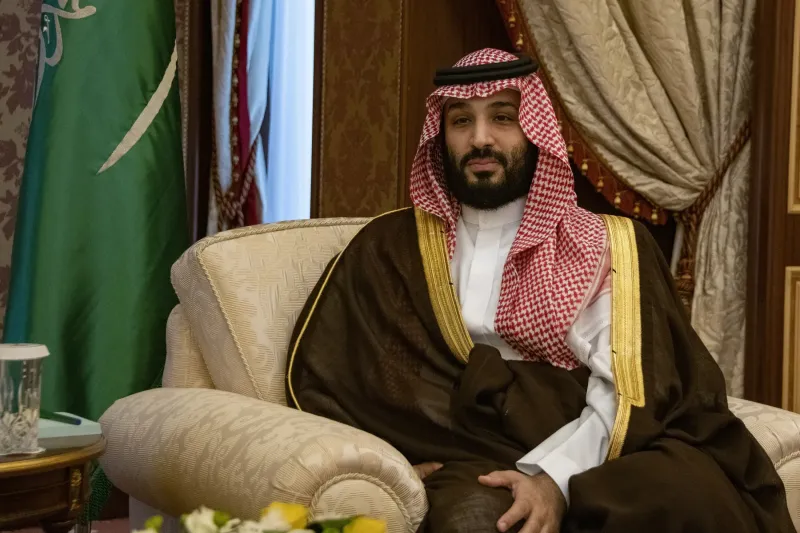
Mohammed ben Salmane : le pouvoir conquis, le trône arraché
Aujourd’hui, Mohammed ben Salmane, dit MBS, détient une mainmise absolue sur l’Arabie saoudite. Mais comment ce jeune prince, initialement simple ministre, en est-il arrivé à concentrer tous les leviers du royaume entre ses mains ? Du « coup de palais » de juin 2017 contre son cousin Mohammed ben Nayef à la purge dorée du Ritz-Carlton, jusqu’à l’assassinat du journaliste Jamal Khashoggi à Istanbul, retour en trois épisodes marquants sur le récit d’une ascension fulgurante et controversée.
L’ascension fulgurante de Mohammed ben Salmane, prince héritier d’Arabie saoudite, a redessiné en quelques années les équilibres historiques de la monarchie. Derrière l’image d’un dirigeant modernisant son pays à marche forcée se cache une stratégie d’accaparement du pouvoir particulièrement méthodique. Retour sur les trois grandes étapes d’une conquête du trône implacable.
Juin 2017 : le « coup de palais » et l’éviction de Mohammed ben Nayef
Pour comprendre l’ascension de Mohammed ben Salmane, il faut revenir au 23 janvier 2015, lorsque la mort du roi Abdallah entraîne l’accession au trône de son demi-frère, Salmane ben Abdelaziz. Traditionnellement, la couronne saoudienne se transmettait de frère en frère parmi les fils du roi fondateur, Abdelaziz ibn Saoud, ménageant un subtil équilibre entre les différentes branches de la dynastie. À son arrivée sur le trône, le nouveau roi respecte d’abord cette logique en nommant, en avril 2015, son neveu Mohammed ben Nayef — figure centrale et respectée des services de sécurité — au rang de prince héritier. Mais il place simultanément son propre fils, MBS, alors âgé de seulement 29 ans, aux postes stratégiques de ministre de la Défense et de vice-prince héritier.
Ambitieux et déterminé, MBS ne se contente pas de cette seconde place : il cherche rapidement à s’imposer comme une figure incontournable de l’appareil d’État et aspire à devenir le premier prétendant au trône. Derrière la succession officielle s’engage alors une sourde lutte d’influence entre les deux cousins, leurs réseaux et les institutions sur lesquelles ils s’appuient.
Le dénouement survient dans la nuit du 20 au 21 juin 2017. D’après des témoignages rapportés par l’agence Reuters, Mohammed ben Nayef est convoqué au palais de La Mecque et retenu toute la nuit, privé de ses moyens de communication, jusqu’à ce qu’il accepte de renoncer à ses fonctions. Au matin du 21 juin, le roi Salmane désigne officiellement son fils Mohammed ben Salmane comme nouveau prince héritier, tandis que son cousin perd l’ensemble de ses portefeuilles.
Tandis que les autorités saoudiennes présentent ce changement comme une décision légitime, ces récits alimentent les soupçons d’une mise à l’écart contrainte. Qualifiée par de nombreux observateurs de « coup de palais », cette éviction rompt définitivement avec l’héritage horizontal entre frères pour imposer une transmission verticale de père en fils, offrant à MBS la première étape décisive de sa conquête du pouvoir.
Automne 2017 : de la répression des dissidents à la purge du Ritz-Carlton
Une fois devenu l’héritier officiel du trône, MBS s’attelle à consolider son autorité à l’intérieur du royaume, où subsistent encore des voix critiques ainsi que de puissants contre-pouvoirs familiaux et financiers.
L’offensive débute dès septembre 2017 par une vague d’arrestations ciblant les milieux intellectuels, universitaires, militants et religieux. L’organisation Human Rights Watch rapporte notamment l’incarcération des prédicateurs influents Salman al-Awda et Awad al-Qarni, ainsi que de l’économiste Essam al-Zamil. Si Riyad invoque des soupçons de liens avec des puissances étrangères et la protection de la sécurité nationale, l’ONG dénonce une répression coordonnée visant à réduire au silence les espaces de contestation.
Deux mois plus tard, la manœuvre frappe directement le sommet de l’élite saoudienne. Le 4 novembre 2017, le roi Salmane annonce par décret la création d’une commission anticorruption confiée à son fils. Dans la foulée, environ 300 personnalités — princes, ministres et hommes d’affaires de premier plan — sont arrêtées et retenues au Ritz-Carlton de Riyad, un palace transformé en prison dorée. Parmi les détenus figurent le milliardaire Al-Walid ben Talal ainsi que le prince Mitaeb ben Abdallah, fils de l’ancien roi et chef de la puissante Garde nationale.
Officiellement destinée à assainir les finances publiques et à lutter contre la corruption, l’opération suscite de vives interrogations sur ses véritables objectifs politiques. L’arrestation et le remplacement de Mitaeb ben Abdallah permettent en effet à MBS de mettre la main sur la Garde nationale, dernière grande institution sécuritaire qui échappait encore à son contrôle direct. Le Ritz-Carlton devient ainsi le symbole d’une double dynamique : derrière la lutte anticorruption affichée par le pouvoir, le prince héritier neutralise méthodiquement les réseaux politiques et économiques capables d’entraver son autorité.
Octobre 2018 : l’assassinat de Jamal Khashoggi et le tournant international
Après avoir verrouillé l’appareil d’État et neutralisé ses rivaux internes, le nouveau pouvoir saoudien reste confronté aux critiques des opposants exilés à l’étranger. Parmi eux figure Jamal Khashoggi : installé aux États-Unis et chroniqueur pour le Washington Post, le journaliste saoudien dénonce régulièrement la répression croissante des voix dissidentes menée par Riyad.
Le 2 octobre 2018, alors qu’il se rend au consulat d’Arabie saoudite à Istanbul pour récupérer des documents nécessaires à son mariage, Jamal Khashoggi tombe dans un guet-apens. Il est tué à l’intérieur même du bâtiment par un commando d’agents saoudiens dépêché depuis Riyad, et son corps, démembré, n’a jamais été retrouvé.
L’onde de choc est immédiate et provoque une crise diplomatique majeure. En juin 2019, Agnès Callamard, rapporteuse spéciale des Nations unies, conclut que ce meurtre constitue une exécution délibérée et préméditée. Son enquête relève des éléments crédibles justifiant une investigation approfondie sur la responsabilité de hauts dirigeants saoudiens, dont MBS. En février 2021, les services de renseignement américains vont plus loin :
« Le prince héritier a lui-même approuvé l’opération visant à capturer ou tuer le journaliste. »
Le renseignement américain, février 2021
Bien que les autorités saoudiennes rejettent catégoriquement ces accusations, l’affaire Khashoggi demeure emblématique de la brutalité des méthodes employées contre les critiques du régime.
Une concentration du pouvoir qui redéfinit la monarchie
En l’espace de trois ans, entre 2015 et 2018, Mohammed ben Salmane est ainsi passé du statut de jeune prince ministre à celui d’homme fort incontesté de l’État saoudien. L’éviction de Mohammed ben Nayef, l’arrestation des dissidents, la purge du Ritz-Carlton et l’assassinat de Jamal Khashoggi constituent des épisodes distincts, mais profondément complémentaires.
Si ces événements ne prouvent pas l’existence d’un plan unique écrit à l’avance, ils dessinent une trajectoire implacable : celle d’une succession de coups de force ayant permis de concentrer le pouvoir, d’affaiblir les réseaux concurrents et d’étouffer toute contestation. Plus qu’un simple changement de génération, l’ascension de MBS a ainsi opéré une recomposition profonde et autoritaire de la monarchie saoudienne.
Rédigé par AMINAT ISMAILOVA
The meteoric rise of Mohammed bin Salman, Crown Prince of Saudi Arabia, has redrawn the monarchy’s historic balance of power in just a few years. Behind the image of a leader modernising his country at a forced pace lies a particularly methodical strategy for seizing power. A look back at the three main stages of a relentless conquest of the throne.
June 2017 : the « palace coup » and the ousting of Mohammed bin Nayef
To understand the rise of Mohammed bin Salman, we need to go back to 23 January 2015, when the death of King Abdullah led to the accession of his half-brother, Salman bin Abdulaziz. Traditionally, the Saudi crown passed from brother to brother among the sons of the founding king, Abdulaziz ibn Saud, maintaining a subtle balance between the different branches of the dynasty. On coming to the throne, the new king initially respected this logic by appointing, in April 2015, his nephew Mohammed bin Nayef — a central and respected figure in the security services — as crown prince. But at the same time, he placed his own son, MBS, then only 29, in the strategic posts of defence minister and deputy crown prince.
Ambitious and determined, MBS was not content with second place : he quickly sought to establish himself as an indispensable figure in the state apparatus and aspired to become first in line to the throne. Behind the official succession, a quiet struggle for influence then began between the two cousins, their networks and the institutions they relied on.
The outcome came on the night of 20 to 21 June 2017. According to accounts reported by Reuters, Mohammed bin Nayef was summoned to the palace in Mecca and held all night, deprived of his means of communication, until he agreed to give up his positions. On the morning of 21 June, King Salman officially named his son Mohammed bin Salman as the new crown prince, while his cousin lost all his portfolios.
While the Saudi authorities presented this change as a legitimate decision, these accounts fuelled suspicions of a forced removal. Described by many observers as a « palace coup », this ousting broke definitively with horizontal succession between brothers and imposed vertical succession from father to son, giving MBS the first decisive step in his conquest of power.
Autumn 2017 : from the crackdown on dissidents to the Ritz-Carlton purge
Once he had become official heir to the throne, MBS set about consolidating his authority within the kingdom, where critical voices still existed alongside powerful family and financial counterweights.
The offensive began in September 2017 with a wave of arrests targeting intellectual, academic, activist and religious circles. Human Rights Watch reported in particular the imprisonment of the influential preachers Salman al-Awda and Awad al-Qarni, as well as the economist Essam al-Zamil. While Riyadh cited suspected links with foreign powers and the protection of national security, the NGO denounced a coordinated crackdown aimed at silencing spaces of dissent.
Two months later, the manoeuvre struck the very top of the Saudi elite. On 4 November 2017, King Salman announced by decree the creation of an anti-corruption commission headed by his son. Immediately afterwards, around 300 figures — princes, ministers and leading businessmen — were arrested and held at the Ritz-Carlton in Riyadh, a luxury hotel turned into a gilded prison. Among the detainees were the billionaire Al-Waleed bin Talal and Prince Mutaib bin Abdullah, son of the former king and head of the powerful National Guard.
Officially intended to clean up public finances and fight corruption, the operation raised serious questions about its real political aims. The arrest and replacement of Mutaib bin Abdullah allowed MBS to take control of the National Guard, the last major security institution still outside his direct control. The Ritz-Carlton thus became the symbol of a twofold dynamic : behind the anti-corruption drive proclaimed by the authorities, the crown prince was methodically neutralising the political and economic networks capable of hindering his authority.
October 2018 : the murder of Jamal Khashoggi and the international turning point
Having locked down the state apparatus and neutralised his internal rivals, the new Saudi leadership still faced criticism from opponents in exile. Among them was Jamal Khashoggi : based in the United States and a columnist for the Washington Post, the Saudi journalist regularly denounced Riyadh’s growing crackdown on dissenting voices.
On 2 October 2018, as he went to the Saudi consulate in Istanbul to collect documents needed for his marriage, Jamal Khashoggi walked into an ambush. He was killed inside the building itself by a team of Saudi agents sent from Riyadh, and his dismembered body has never been found.
The shockwave was immediate and triggered a major diplomatic crisis. In June 2019, Agnès Callamard, UN Special Rapporteur, concluded that the killing was a deliberate, premeditated execution. Her inquiry found credible evidence warranting a thorough investigation into the responsibility of senior Saudi officials, including MBS. In February 2021, US intelligence went further :
« The Crown Prince himself approved the operation to capture or kill the journalist. »
US intelligence, February 2021
Although the Saudi authorities categorically reject these accusations, the Khashoggi affair remains emblematic of the brutality of the methods used against the regime’s critics.
A concentration of power that redefines the monarchy
In the space of three years, between 2015 and 2018, Mohammed bin Salman thus went from young prince and minister to the undisputed strongman of the Saudi state. The ousting of Mohammed bin Nayef, the arrest of dissidents, the Ritz-Carlton purge and the murder of Jamal Khashoggi are distinct but deeply complementary episodes.
While these events do not prove the existence of a single plan written in advance, they trace a relentless trajectory : a succession of power grabs that made it possible to concentrate power, weaken rival networks and stifle all dissent. More than a simple generational change, the rise of MBS has brought about a profound and authoritarian reshaping of the Saudi monarchy.
Written by AMINAT ISMAILOVA

Commentaires (0)
Aucun commentaire publié pour le moment.
Se connecter pour commenter